
What to Expect When Buying a New Construction Townhome in the Seattle Suburbs
Resource
8 min read
Yashwanth K
| Marketing Strategist
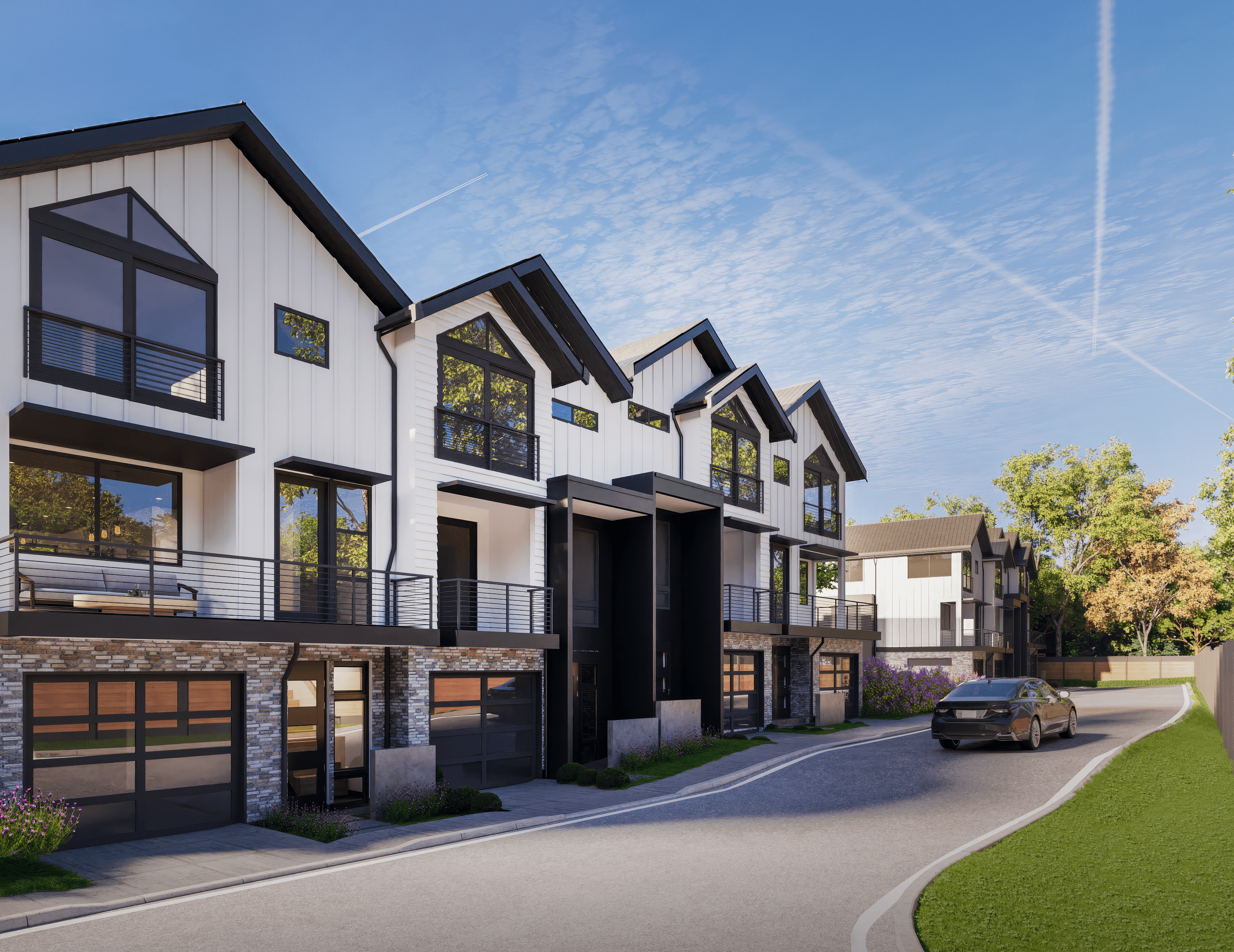
Most guides to buying new construction are written by people who want to sell you a new construction home. This one is written to tell you what the process actually looks like, where buyers get caught off guard, and how to set yourself up well before you sign anything.
The context here is specifically the Seattle suburbs: Bothell, Kenmore, Woodinville, Sammamish, and the broader Eastside new construction market in 2026. If you are considering a Casly Homes community or any comparable builder, this applies directly to your situation.
How New Construction Sales Actually Work
When you buy a resale home, you are negotiating with a seller who has emotional attachment and finite leverage. When you buy new construction, you are working with a builder's sales process: more structured, less negotiable on price, but more flexible in other ways.
Most builders release homes in phases. Batches of 3 to 6 units go out at a time. Early buyers in each phase get more selection: unit position, floor plan orientation, and sometimes finish upgrades. Later buyers pay the same price with fewer choices. Understanding this structure before you show up to a sales center changes the conversation significantly.

What You Can and Cannot Negotiate
Builders rarely move on list price in a supply-constrained market. What they do have flexibility on:
Rate buy-downs. Builder-affiliated lenders frequently offer programs reducing your effective interest rate by 0.5 to 1 percent. This is often worth more than an equivalent price reduction in dollar terms.
Closing cost contributions. Particularly toward the end of a phase when builders are closing out a tranche of homes.
Included upgrades. If the home is not yet complete, there is often room to negotiate upgrade selections in lieu of price reductions.
Casly Homes works with a network of lending partners to help buyers compare options and find the most competitive financing structure for their situation. Getting pre-qualified before your first tour gives you credibility with the sales team and clarity on your actual budget.
The Purchase Agreement Is Not the Same as a Resale Contract
This is where buyers get surprised most often. New construction purchase agreements are builder-drafted documents, not the standard Northwest MLS forms used in resale transactions. They tend to be weighted toward the builder's interests.
Key clauses to read carefully before signing:
Completion timeline and delay provisions. Construction delays are common. Understand your options if the home is not ready when expected.
Change order process and pricing. Post-signing modifications can get expensive fast with some builders.
Earnest money structure. New construction earnest money is often larger and less refundable than resale transactions.
Having a buyer's agent or real estate attorney review the purchase agreement before you sign is worth the cost.
Financing: Builder Lender vs. Your Own
Builders push their preferred lenders hard. There is a reason: the builder's lender knows the product, timeline, and closing process, which reduces fall-through risk for the builder. It is not always the wrong choice for you either.
But you are allowed to use your own lender, and you should at minimum compare full loan estimates from both. The preferred lender's rate buy-down incentive needs to be weighed against the complete loan terms, not just the headline rate. Start exploring financing options here to understand what programs are available to you.
Inspections on New Construction
A common mistake is skipping inspection because everything is brand new. The correct approach is two inspections: one at frame stage (before drywall closes the walls) and one at completion. Framing, plumbing rough-in, and electrical work are far easier to evaluate, and correct, before the walls go up.
Most builders allow and expect inspections. If a builder resists a frame-stage inspection, that is worth noting.
Builder Warranties and Washington State Protections
New construction in Washington comes with statutory protections under the Washington State New Home Construction Act:
1 year: workmanship and materials
2 years: major systems (HVAC, plumbing, electrical)
10 years: structural defects
Beyond the statutory minimum, builders like Casly Homes carry additional third-party builder warranties. Before closing, understand exactly what is covered, how claims are submitted, and who handles repairs. Do not assume. Get it in writing.

Timeline from Reservation to Keys
For homes already framed or near completion, closings can happen in 60 to 90 days. For earlier-phase purchases where construction has not started, expect 8 to 14 months.
Plan buffer into your timeline. Coordinating a lease end date, a school enrollment cutoff, or a relocation deadline against new construction timelines is where things get stressful. The more buffer you build in, the less pressure you will feel in the final stretch.
Is New Construction Right for You?
It comes down to what you are optimizing for. If you want condition certainty, modern energy systems, warranty coverage, and a home you can move into without touching anything for years, new construction is a strong match.
If you want a detached home, a larger lot, or a specific established neighborhood, resale is probably the right search. Read more in our breakdown of new construction vs. resale in Bothell for 2026.
For most family buyers in the Bothell and Northshore area right now, the math on new construction from Casly Homes is competitive in ways it has not been for several years. Winsor Townhomes, with 4 bedrooms, 3.5 baths, a two-car garage and Northshore School District access, sold out and set the benchmark for what this spec level looks like in person.
Open house tours run every day of the week. Contact the team here, schedule your visit online, or call +1 (425) 299-5858 to arrange a private walkthrough.